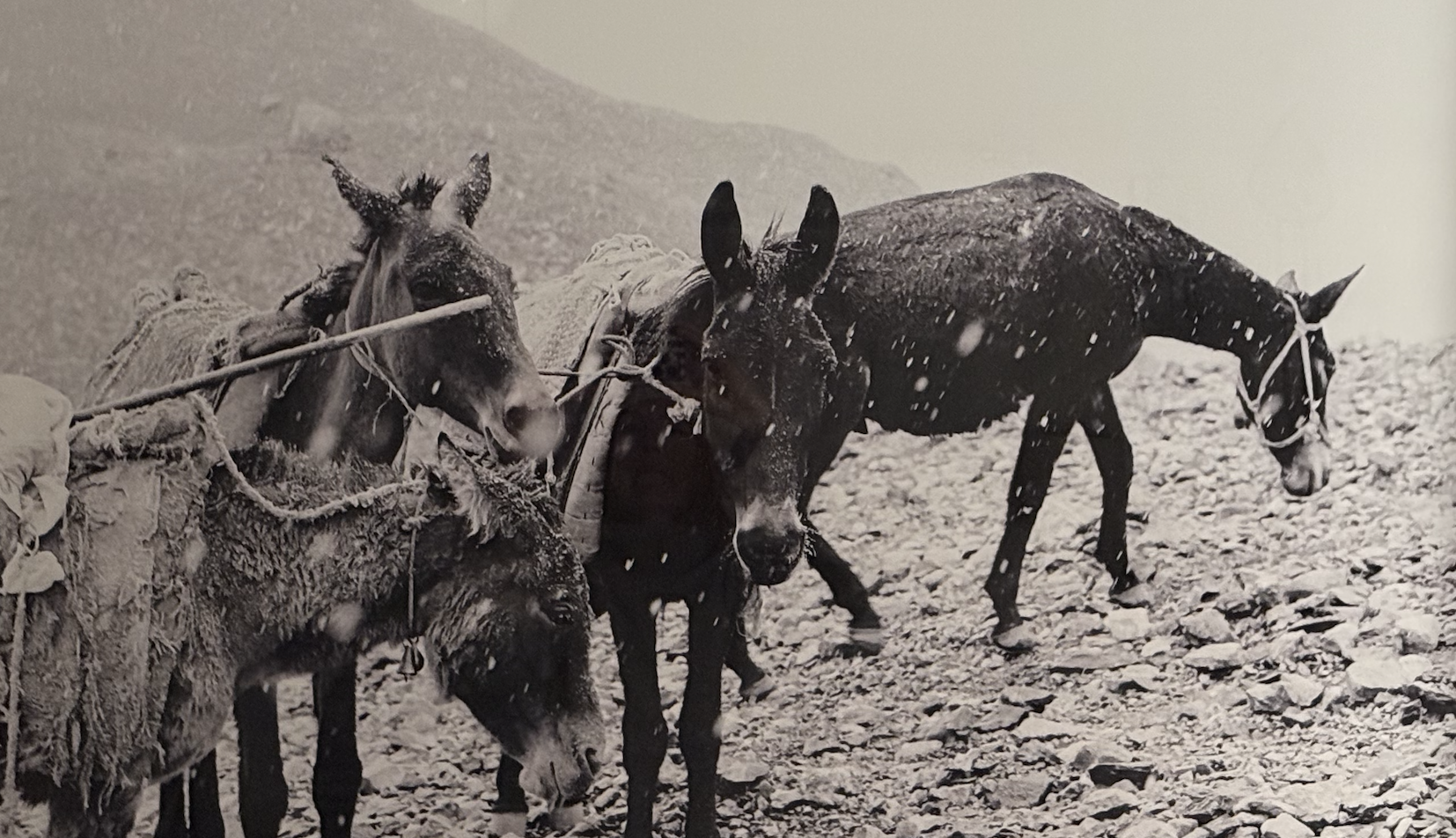
The Mule In Me
Sometimes, despite being a hard worker, I reach a point where I simply refuse to budge. I call it my inner mule. Over the years, I've learned that getting myself moving again isn't about pushing harder. It's about paying attention, accepting where I am, and finding one small thing I actually want to do.

Photography by Dan Stensland
I consider myself a hard worker.
I will occasionally still work nights and weekends to meet a deadline. I once stayed up for 80 hours to get a job done on time. There was another time when I was really sick on the one day I had to start and finish a job in someone’s home, and instead of letting the client down, I just took vomit breaks throughout the day.
And yes, this could be a post about boundaries and work/life balance, but this is not that post.
This post is about my inner mule.
I grew up hearing that old adage “as stubborn as a mule.” In my head I conjured a visual of a mule sitting down in the middle of a road. Like a dog. But actually I think that might be donkeys. Mules are half donkey and half horse, so it’s plausible mules might also sit. Out of curiosity, I did a cursory search for information about donkeys sitting down, but I didn’t find any.
What I DID find was context around the idiom “stubborn as a mule.” According to Google’s A.I. generated response, mules are “not stubborn in the way humans usually mean. Mules often stop and refuse to move, which looks like stubbornness, but it is usually a self-preservation instinct rather that mindless obstinacy.”
It goes on to say that “unlike horses, which often panic and flee from perceived danger, mules inherit traits from donkeys and tend to freeze and assess. If a mule judges a path, load, or situation to be unsafe, it will refuse to budge.”
I don’t have any experience working with mules, so I can’t say whether this is actually true. I do however, have extensive experience working with horses, and this description is absolutely true.
It’s also interesting to me why mules might’ve gotten the reputation for being stubborn in the first place. Again, according to Google, “handlers expect immediate compliance from a horse, and so might view a mule's pause as defiance.”
All this additional information dovetails nicely with my inner mule.
Because there are times where I am just done.
I’M DONE.
I liken this “done-ness” to feeling like a mule (who looks like a donkey in my head). I can see myself sitting down in the middle of the road refusing to move. I mean this metaphorically and sometimes physically. I get to a place where I just don’t want to do anything.
Athough It doesn’t happen all that often, I am familiar enough with my mule that it’s appearance triggers a protocol of sorts.
It’s important to say what I don’t do anymore. I do not beat myself to get up and move, just like I wouldn't beat a mule. Here’s what I do now.
I Acknowledge my inner mule.
I don’t need to know why I’m sitting in the road at this point. In fact, knowing at this point is usually not helpful, because if I focus on knowing, then I focus on the solution, which completely bypasses this first crucial step, which is simply to notice where I am.
Next is Acceptance.
Accept all the emotions and the thoughts, regardless of how contradictory and ridiculous: the thought that I should want to move onto the next thing, that I, in fact, do want to do the next thing, and also that, in this moment, I am unwilling to move.
The value of accepting where I am is that it enables me to see where I am, so I can take steps to get to where I want to be. In this case, it’s not sitting in the middle of a road.
Once I sit with where I am, which for me can mean scrolling social media (my rainbows and unicorns feed), napping, browsing for whatever, or watching a show on Netflix while eating a huge bowl of popcorn, I’m able to give my mind some space. All these choices give my mind time to not think about next steps. By giving my mind time and space, it will start to come up with suggestions.
One of my mind’s go-to suggestions is doing one thing I want to do. Not need to do, have to do or should do.
Do one thing I Want to do.
And it's not big things. If it is, if the only solution or next action my mind can come up with is a vacation or a divorce, that’s more than my mule voice can solve.
It’s the small actions that get my mule up off of the road.
For example, I keep a fairly organized studio, but once or twice year it becomes overwhelmed by the remnants of jobs that are completed, new projects just getting started, and personal projects that have been neglected and need attention (like frog enclosure maintenance). All these things need various levels of organization or clean up, need to be archived, materials need to be purchased and replaced, work stations organized and reset. This process takes anywhere from a day or two up to a week or more.
The specifics of my road-sits vary, but the studio in disarray is always a part of it.
It’s a big overwhelming process.
Here’s how I deal with it.
First, the action that kick starts my will to start on the studio project doesn’t usually have anything to do with the studio.
It’s organizing my sock drawer.
Or buying new towels for my kitchen.
Or cleaning the front window in my living room.
They are such little things, such tiny tasks. Yet I know it will make me feel an outsized amount of better when it’s done. And towels? Towels delight me. I love new towels. And the window? The house could be a mess, clothes stacked on a chair needing to be folded, floors needing to be mopped, stuff needing to be dusted, but having at least one clear window makes all the other necessary things seem more manageable.
It’s the same with the studio. I will usually start with something that I have not had a chance to do but that I really, really want to do, but haven't been able to justify setting aside the time to do. Recently, it was cleaning and patching the base molding and then painting one wall a different color. It's been white for about five years and it's been increasingly bugging me when I walk into the studio.
Will anybody else notice? Probably not.
But that's OK because at the end of the day I have a lot more energy and I feel a lot calmer about going into work tomorrow and actually get started on the things I need to do. I’m able to move on to the next step.
I stop multi-tasking.
Instead of trying to get everything done at the same time, I set aside blocks of time without the expectation of getting any one thing done. I go in with the attitude that it will all get done, but not all at once, and not in any order.
I call this “putter time.”
Putter time is where I set aside a block of time to get stuff done, but I don't put a time stamp on anything. I don’t say “at 10 o’clock I need to start or finish a task”, or “at 2pm I will to stop what I’m doing to start something else.” I’m still following my to-do list, and, I’m keenly aware it’s more things than I have time in this block to complete. That’s also ok. It takes the pressure off in a way.
The important part of putter time is I give myself the luxury to pick and choose which things I will work on. And sometimes, I get side tracked: spending time on something that wasn’t on my to-do list. I’m ok with this because I always come back to the to-do list feeling more relaxed and motivated.
And within days, the list gets done. Or mostly done.
Done enough that I’m not sitting in the road anymore.
Which leads me back to something else Google said about mules: “Mules are widely recognized by animal handlers as intelligent and sensitive. They respond well to patience and clear communication rather than force.”
I didn’t know this but that feels like a beautiful way to think about my inner mule.
Anything Can Be Art
Who says art has to be framed, signed, or even created to be art? From vintage silkscreens to odd family heirlooms, some of the most meaningful things on my walls were never intended to be art at all. Here's why I think the things we choose to surround ourselves with can do so much more than decorate a room.
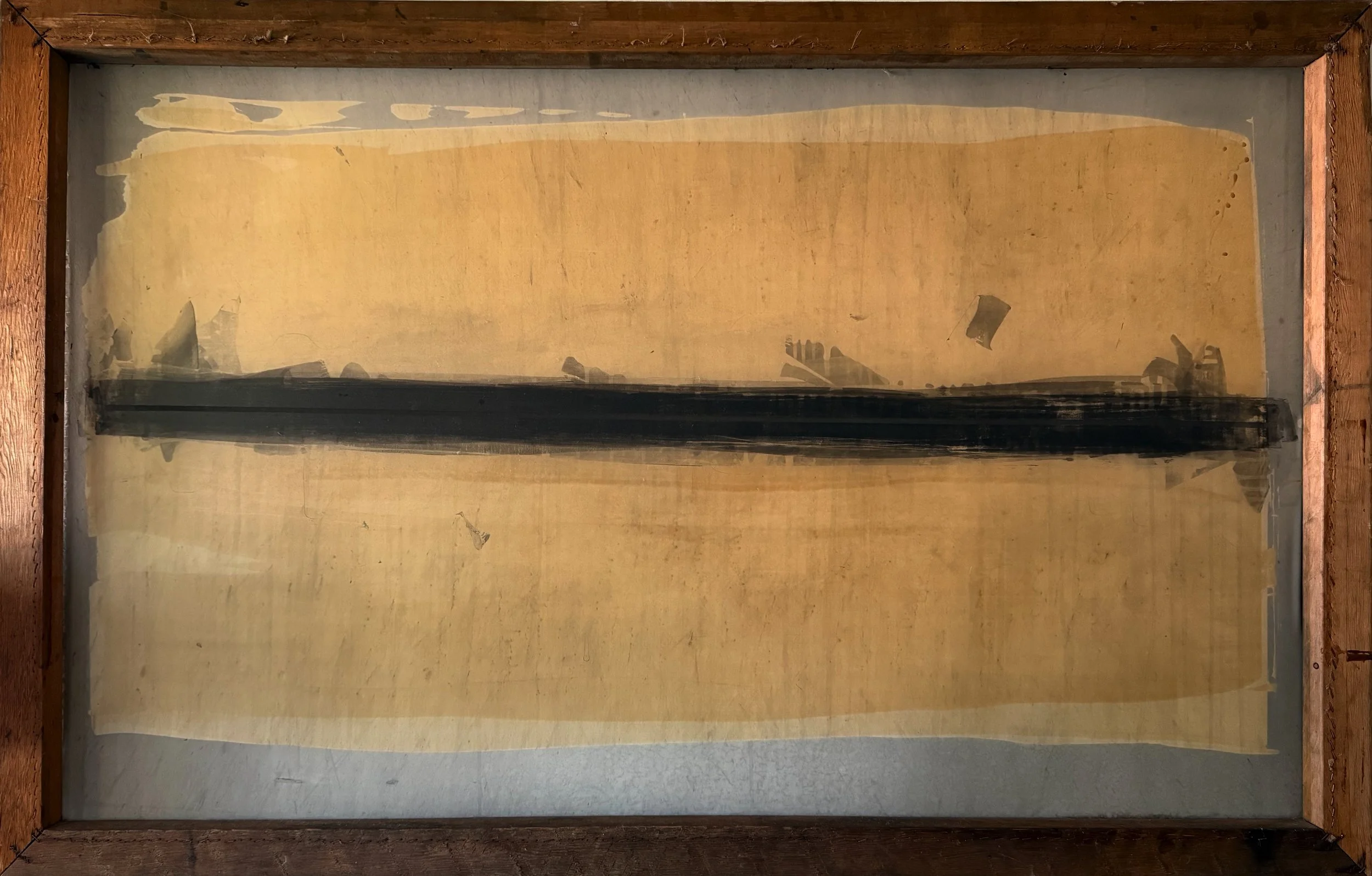
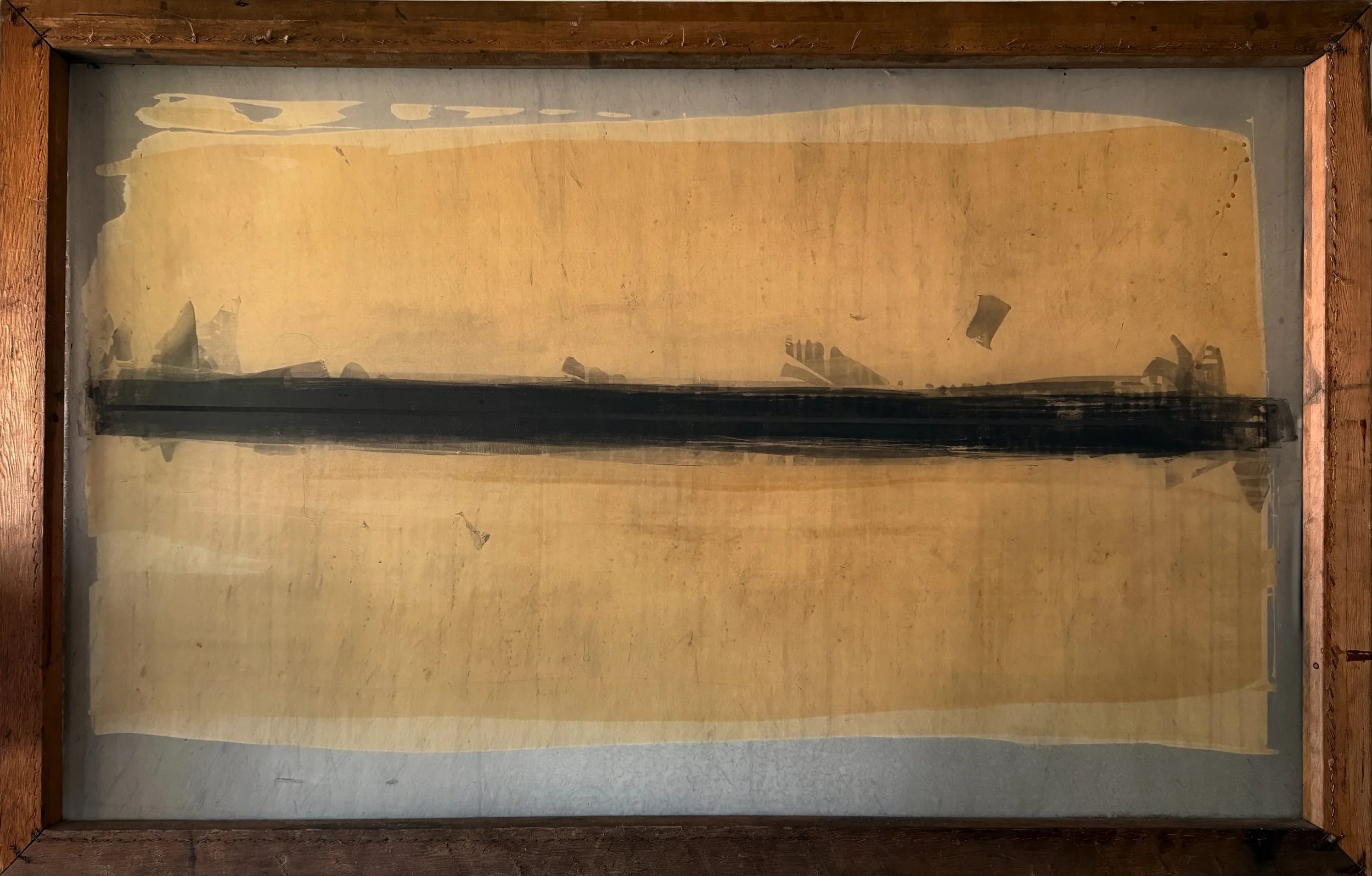
Vintage Silkscreen 36 in. x 60 in.
Anything can be art.
So when I say anything can be art, I'm not talking about the kind of art we create for the purpose of making art, or about the ongoing debate as to whether an object or an experience is art.
I'm talking about a much more personal type of art. I'm talking about the type of art that we adorn our personal spaces with. Because so many things can serve as art, beyond objets d'art. Objects of contemplation and beauty, objects that are enjoyable and interesting to look at.
And, if you take those objects and hang them on your wall, that’s the kind of art I’m talking about. Not the kind that is framed and signed: not the kind that was created to be called “art”. That’s not to say that framed art doesn’t have a place in my home, it absolutely does.
Framed imagery that makes my house feel like a home is awesome. For me, blank walls don't tend to be very cozy or very home-like. Maybe they are for some people, but I think we tend to want to nest and nesting involves decor.
There's an aesthetic vibe that we gravitate towards whether we're conscious of it or not. Some people are far more sensitive and other people don't really care at all.
I'm speaking to the people who care. Or who notice. And for the people who notice, or the people who are invested in making their space intimately their own, I have a sort of secret.
Anything can be art.
Anything pretty much can have a wire attached to it or in some other way be attached or secured to a surface. I have a lot of framed art in my home.
But I also have a lot of other things on my wall that serve as art.
For example, the silk screen over my couch. It’s 3’ tall and 5’ wide and it is the largest silkscreen of a collection of about 30 that I have on display at my studio. I got them from a small company, founded in the 1970s, that made seismic equipment for nuclear power plants. I love everything about them, from the colors to the patterns to the rough wood frames. They feel “Rothko-esque” which I love. I also love that each screen has a story, even though I'll never know it.
Early in my career, I spent years painting "aged" faux finishes on everything from cabinets to bed frames and yet nothing compares to the complexity of the real thing.
Another example is the "Thing Wall", which is a collection of odd things that my mother and father started collecting before I was born. It was my grandpa that named it the Thing Wall. It’s currently hanging in my dining room and is about 8’ wide and goes from the height of the chair backs to the ceiling.
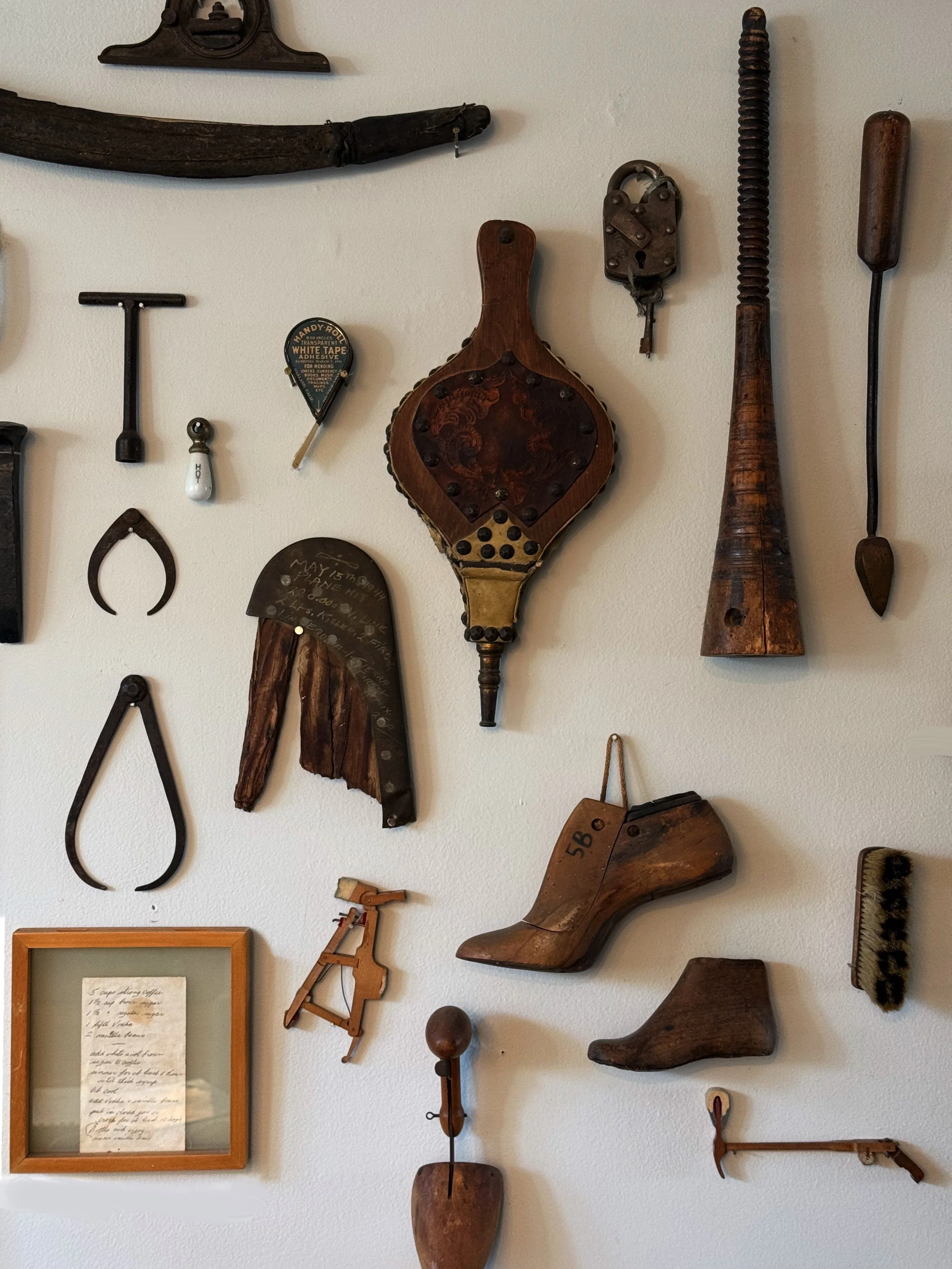
An old recipe in my father’s handwriting, a pair of bellows he made by hand and the tip of a small airplane propeller that crashed in a local canyon. The details are etched onto the metal edge.
There are still things on this wall that I can’t identify; even though we've tried to find out over the years. My sister had it for a while so she added to the collection, I added some things, like an antique tape dispenser that I picked up from my trip to Ireland years ago. I have a vintage fire extinguisher made from a bulb of glass with the label still attached. I have a braided wire rug beater that we actually used when I was a kid. There are piano keys and fabric stamps. There's an old leather strap for sharpening shaving razors.
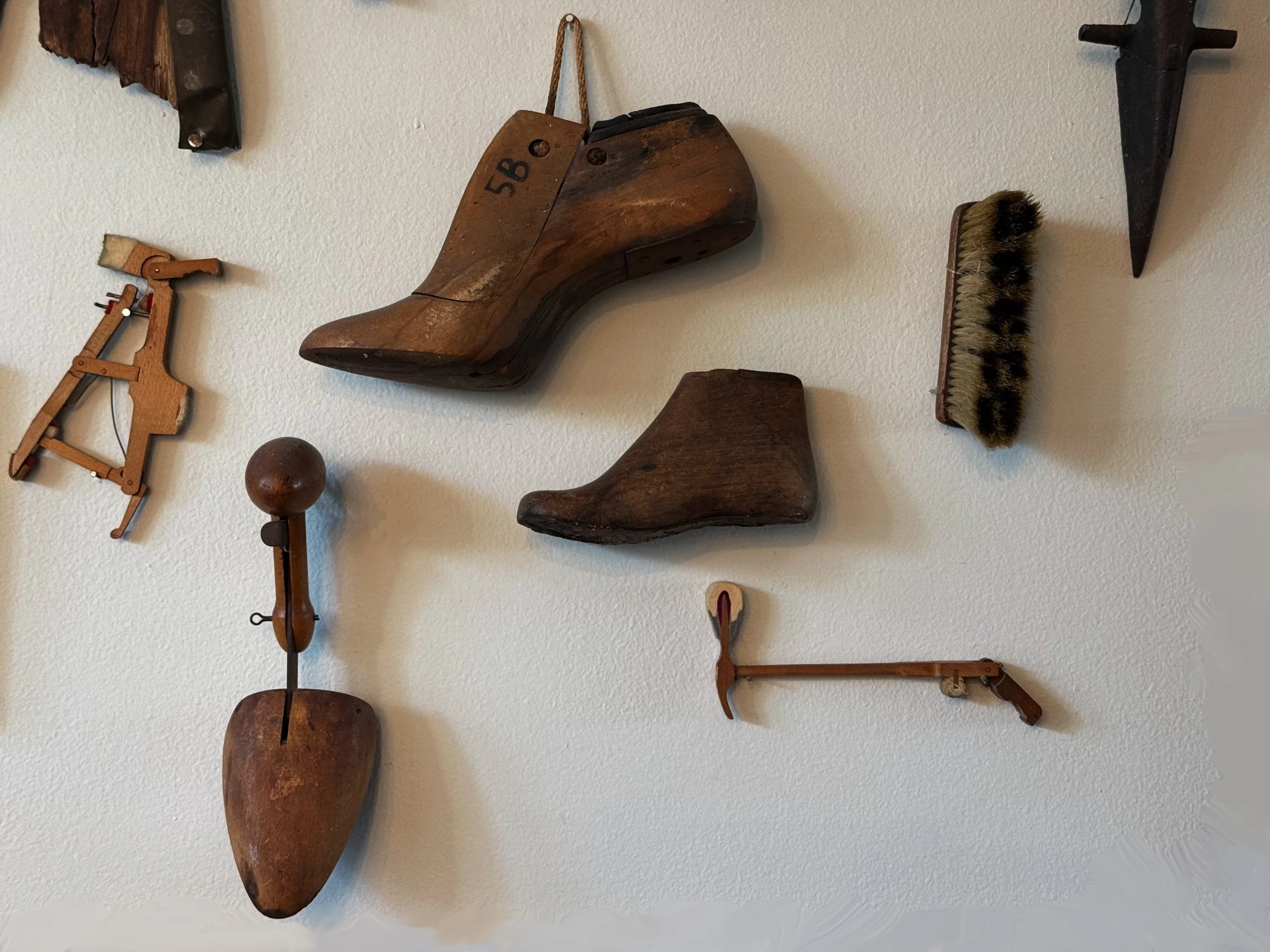
piano keys and shoe forms
It’s such a weird collection of unrelated objects. Sometimes I think there's a tendency to worry that you might pick things that don't go together. It's always been my belief and my experience that all of the different parts of me and all of the different aesthetic categories flow together in my home. Maybe not in the same room, but there is an energetic and aesthetic flow because I am a single person and there's a cohesiveness, regardless of how divergent my taste might be.
That's not to say I don't acquire and change out a few trendy objects and I have a cupboard full of decorative pillows.
Here's the point, every piece of art, every decorative object in my home is something I chose at some point, and every object makes me feel smiley when I look at it.
And I look all sorts of places for these things-I shop at thrift markets and TJ Maxx. I also pay attention to what people are giving away to see if any of it appeals to me. I don't tend to think where to put something before I ask myself if it should live in my home. If the answer is yes, I think of a place for it. If I can’t think of a place for it, then I weigh storing it against my attraction to it. I have several things stuffed in nooks at the studio at any given time.
The result is an eclectic collection of moments in my life, memories made manifest in the objects I've chosen to bring into my home. Together, they create this super specific, very personalized nest.
My home is my safe space. My calm space.
I like to say that everything in my home and in the studio for that matter is either very expensive or completely free.
I dumpster dive and shop at Restoration Hardware.
And here's a bonus, when you have a collection of unusual things, the conversations that they ignite are fascinating. Especially when they are old things.
Old things are the best.
I have these wallpaper stamps from the 1700s that came out of a tobacco barn in Kentucky. I bought them at a flea market and the guy selling them told me this whole story; about how they were discovered after 50 years of being tucked away and forgotten in the barn’s attic. It was a fascinating story and while I don't remember all the details, they mean a lot to me, if for no other reason than I am the next in the lineage of people caring for these old objects.
That's another thing, old things carry a soul with them.
They carry the energy of years of experience long before I was born. I love bringing that type of energy into my home. It's like inviting ancestors I never knew, and am not related to, into my home. The energy is comforting.
There's these subtle threads of connection with both people who came before me and the artisans that made them. The materials (I have objects made from trees that no longer exist), craftsmanship (things made by someone’s hand from start to finish), the stories I get to share with the very alive people who enter my home and my studio, are all tiny threads of connection.
I feel connected. I don't feel alone.
This is true even if the only thing I have is my memory of their acquisition and nothing else.
Memories themselves are a form of company. And connection.
And this brings me back to art- in all its forms.
One of the most fundamental characteristics of art is its ability to connect people: to ideas and to each other. And what we choose to call the objects we have in our homes, regardless of where they came from, or what it was originally supposed to be, can connect us to ourselves.
And that’s why I believe anything can be art.
I never Wanted To Be An Artist
I've been a professional artist since I was 22. But growing up, I never wanted to be one. This is the story of how a childhood spent drawing, an unexpected career, and a lifelong relationship with anxiety changed the way I understand creativity—and myself.
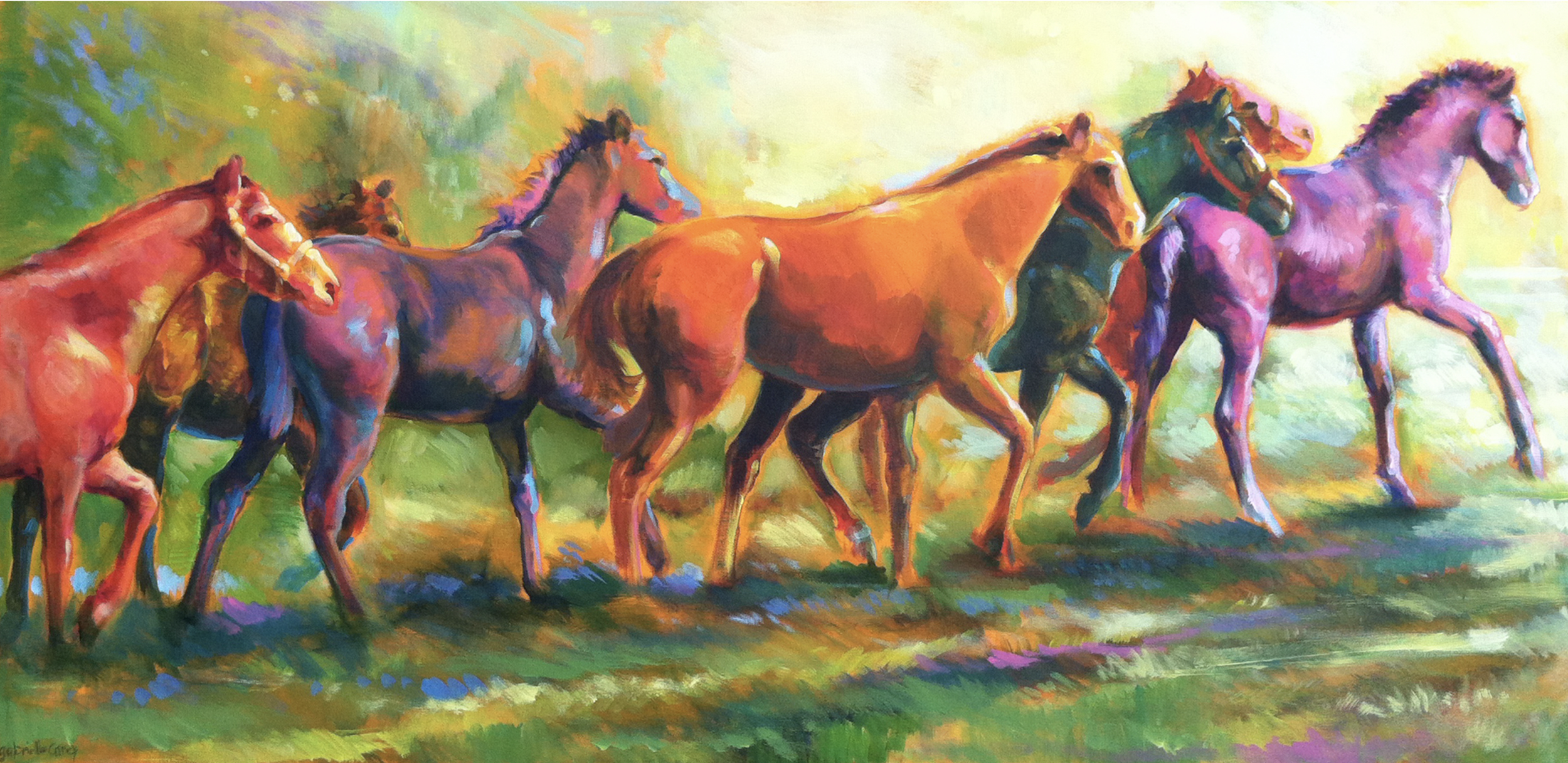
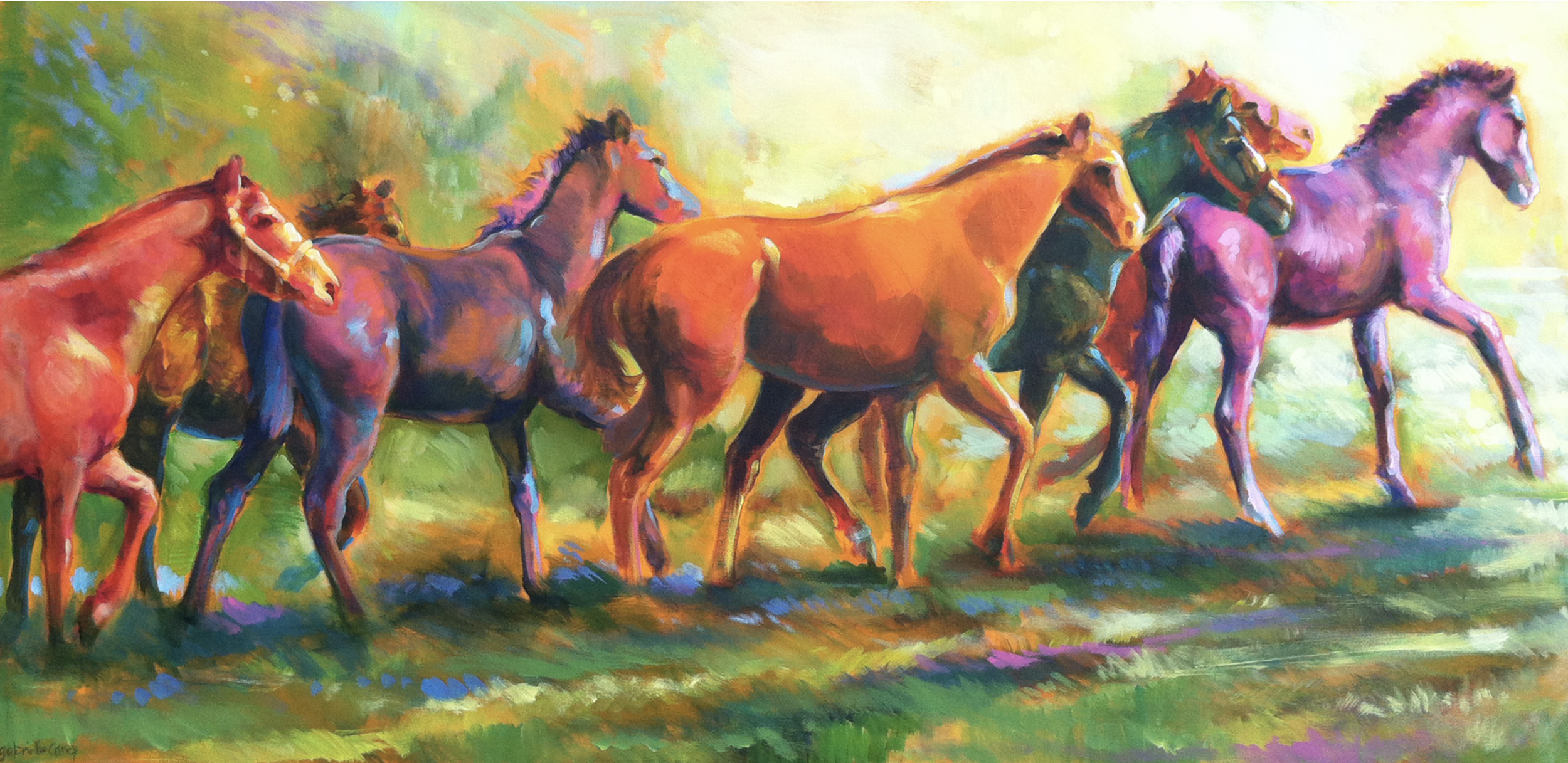
“Chasing The Sun” by Gabrielle b. McLean private collection
I’ve been a professional artist since I was 22 years old.
I was in college at the time, studying something completely unrelated to art, when a friend of mine saw my stylized animal drawings and said I could make some extra money painting them on the walls of kids’ rooms.
Even though I already had a part-time job, I was really interested, so he introduced me to a man who was already painting on kids’ walls. His name was Roger, and he gave me tons of advice. I left the meeting totally inspired.
Three days later, he called to offer me a job.
I was shocked.
Unbeknownst to Roger, I had prepared for the meeting by redrawing three of my characters on illustration board and coloring them using supplies I’d bought specifically for that purpose.
Until then, I hadn’t even owned a paintbrush, much less any paint.
I told him as much, and he said something to me I will never forget.
He said, “If you can draw, you can paint.”
And after climbing the near-vertical learning curve that took me from pencils to paint, I discovered he was right.
A few years later, I went out on my own, and I’ve since had the pleasure of working for people like Eddie Murphy and Paul Reiser.
I’ve done work for Pottery Barn Kids.
And yet, as a kid, I never wanted to be an artist.
When I was little, I would sit in my room and draw for hours. For years, all I drew were horses. Then, when I was about 11, I got into drawing Garfield and all his friends. And when I got to high school, I got obsessed with Duran Duran and would spend many afternoons drawing each of their faces.
And to be honest, after all this, I got pretty good.
So it’s not all that surprising that people would tell me I was an artist. They would say it directly, or they would say something like,
“I wish I was an artist.”
And while I really loved the attention, I was also deeply confused by their comments.
I didn’t think I was any different from the people who couldn’t draw. I just DID draw, and they did NOT draw.
But, I reasoned, if they did draw, for hours and hours, they would be artists too.
It’s interesting to me now that I chose to believe that if they weren’t artists, then I must not be an artist, instead of the other way around. I think I just wanted to fit in and be like everyone else.
Then there was the fact that all I’d ever heard about artists was that they were poor and unhappy. Or crazy.
None of that interested me in the slightest.
So how did I explain the fact that I spent tons of hours drawing?
I’m not sure. But I can say that, in my mind, I wasn’t being creative. It would be years before I understood that drawing was doing something else for me, too.
Martha Beck, a sociologist and author of Beyond Anxiety, has said,
“Anxiety kills creativity.”
This makes so much sense to me.
Because in hindsight, I was an anxious kid in some ways.
What I mean is that my drawing all the time wasn’t primarily about expressing myself. It was my way of trying to control what was, in some ways, a very chaotic childhood.
It was a really beautiful childhood:
There were horses and chickens,
open spaces and white winters,
and there was also addiction, illness, and death.
And this was in the ’80s, a time when most people, my family in particular, didn’t understand the value of talking things through.
So I drew.
The thing is, drawing actually was a creative act. But that didn't occur to me. I only recognized that it was the best way I knew to lower my anxiety. And it would be even more years before I understood that being creative is so much more than knowing how to draw.
Going back to Martha Beck, I do agree that, on one level, anxiety kills creativity.
I also think shame, pain, confusion, fear, and sadness can also subdue our creative nature.
But I deeply believe that we are born with the capacity to be creative, as well as a primal urge to be so, even if our creativity has been squashed at the surface.
I have gone from that little girl who didn’t want to be an artist, to a young professional painter who didn’t want to call herself an artist, to a fully-fledged woman who not only calls herself an artist but also fully embraces her creative nature in all areas of her life.
And getting to know myself was, and continues to be, one of the most important ways I cultivate my creative nature.
For example, I’ve noticed that I can learn a lot about myself when I feel anxious.
I learned this lesson through trial and error, tons of resistance, a fair amount of really good therapy as a young adult, and a lot of study and experience in the fields of psychology, science, and spirituality.
Through all of this, I have learned to get curious about my anxiety.
Which I still get.
But now I’m usually able to distinguish between stress, anxiety, and excitement.
I am constantly tweaking my life to reduce the chronic stress that drains my energy, while simultaneously cultivating the excitement that makes me feel alive.
And I've come to realize that these are two very different things. I want less stress and more serenity, but I don't want so much comfort and predictability that I become bored or apathetic.
Because the truth is, excitement and anxiety often go hand in hand. Trying something new, taking a chance, or stepping into the unknown can be exhilarating and terrifying at the same time.
And I don't want to give up one just to avoid the other.
It's one of the reasons I love calling myself an artist, because now I feel like I have permission to try new things, which continually feeds my creative nature. Having said that, despite all my years as a professional artist, trying new things is, by its nature, scary and therefore a little bit anxiety-producing.
It's a delicate balance, and one that, for me, requires fairly consistent attention.
And I get whacked off balance on a regular basis.
But I also regain my balance fairly quickly.
And at this point, the reward for dancing with the anxiety that comes with embracing the unknown is the joy I feel on a daily basis, the comfort I feel living in my own skin, and the enthusiasm I have for living my life.
I wouldn’t trade it for the world.

The Magic of Micro Play
I'm busy. I mean I’m really busy.
I feel like most of us are. I often hear well-meaning people recommend that I should take on a new hobby or otherwise “get creative” in some way, because as we all know, creativity is super important for our mental and even physical health.
I couldn’t agree more.
And still, I’m effing busy.
So sometimes, I just feel overwhelmed and a tad depressed by the suggestion.
And I’m a professional artist. I’m somebody who's “creative” for a living. And still, it’s not enough; I am always looking for more ways to incorporate creativity into my life.
Because cultivating creativity IS super important.
A creative practice, the act of being creative, is linked to brain health, a better sense of well-being and an increased sense of life satisfaction overall.
Creativity is also intimately linked with play, and I think if we all played more, we would lead much richer, happier, less-stressed lives.
Here's the thing, play does not always have to involve a huge amount of time. It does need a little bit of time, and a fair amount of consistency, but not every time has to be an hours-long commitment. Sometimes, you can get the benefits of play without carving out a bunch of time.
Here are three ways I sneak in some play time in 5 minutes or less. I call it Micro Play and you can pretty much do it anywhere and it costs nothing.
Actually, you probably can't do it anywhere; for example, you probably can’t be in a room full of people…or even in a room with one other person. It's more for when you're by yourself. Like in your car, in the shower, the bathroom, getting ready to leave the house. Five minutes before you're supposed to show up to a meeting… That's always a good one. I will also point out that it needs to be somewhere where, if somebody does see you, like if you’re in your car for instance, stopped in rush hour traffic, you won't feel shame for having been spotted. You don’t want being seen to overwhelm the good feeling you’ll get from doing what I’m about to tell you to do.
Sing.
And I'm saying this as someone who cannot sing well by any objective standard. Still, there are a few very specific songs I will sing along with, not perhaps at the top of my lungs, but not lip-syncing either. It can work if you sing kind of quietly too, although maybe not too quietly, because you do need to get into it. I suggest you try it out and see for yourself what volume range works best for you.
For me, my #1 go-to song is “9 to 5” by Dolly Parton (in case that needs to be said), at about 70% maximum singing volume. Another song is “The Gambler” by Kenny Rogers.
These songs are from my childhood, because I’ve found those work the best, but the important thing is to choose any song that gets you singing out loud. The singing part is the key ingredient: there are songs which I'll talk about in my next bit of Micro Play that I don't sing to, but that motivate the heck out of me, but that's not what I'm talking about here. I'm talking about a song where you know all the words, know them so well you could sing them without the music. Songs where just hearing them transports you out of your current mindset. And in my experience these are songs from our childhood or from our teenage years. Journey’s “Don't Stop Believing” and that kind of thing. Sure, you might date yourself, but who cares, you’re not in a place where anyone is near enough to express their opinion.
Dance.
And when I say dance, you might think I mean dancing in your kitchen, or for me, my studio (which is 10x larger than my kitchen). And I DO do this type of dancing, to specific songs I have saved on Spotify for just such an occasion.
But I'm also talking about dancing in my car.
I mean, I’m already there, by myself, with total control over the music. So I will dance, right there, all snuggled down in the driver’s seat, tapping the dashboard, rocking my shoulders and moving my hips, tossing my head to the beat. It can totally transform my mood. It's incredible.
As a side note, I am someone who stands all day, so sometimes I don't want to be on my feet to dance. I mean, that might sound lazy. It might sound whatever, and I admit there's probably specific benefits that come with dancing standing up, but I'm a huge advocate of dancing while sitting.
Laugh.
The third way to Micro Play is to make a new Instagram account or a new TikTok account, if that's preferable. Get both if you’d like. Either way, here are the rules: do not put up a profile picture and Do not post anything. Nothing. This is solely for feel good videos. You can, however, follow as many feel good accounts as you like.
I have one of these accounts and I love it. I actually have several Instagram accounts, for different reasons, but this one is my go-to space when I just need a little bit of a break; when I need to laugh, see people doing kind things for total strangers, or strangers saving animals.
But mainly it’s for laughs, because laughter, like storytelling, is a form of play. It's actually a characteristic of one of Eight Play Personalities, according to Stuart Brown, the author of the book “Play” and the founder of the National Institute For Play. You can go to www.nifplay.org to learn more, but for the purpose of Micro Play, listening to a good funny story or a funny joke, watching a few funny Reels, these snippets of play behavior, bring with them bits of all the benefits of play; mainly that you feel refreshed afterward, you feel revived. You feel more hopeful, your nervous system is a tad more regulated, so you feel more resilient to the next minor stress that might come five minutes after you stop laughing. These are some of the beautiful, very important benefits of play.
The point is even if you're really busy, I do think everyone has five minutes to spare and the mental and physical reset is worth far more than the value of whatever you might’ve otherwise done with those precious five minutes.

What It Really Means to be Creative
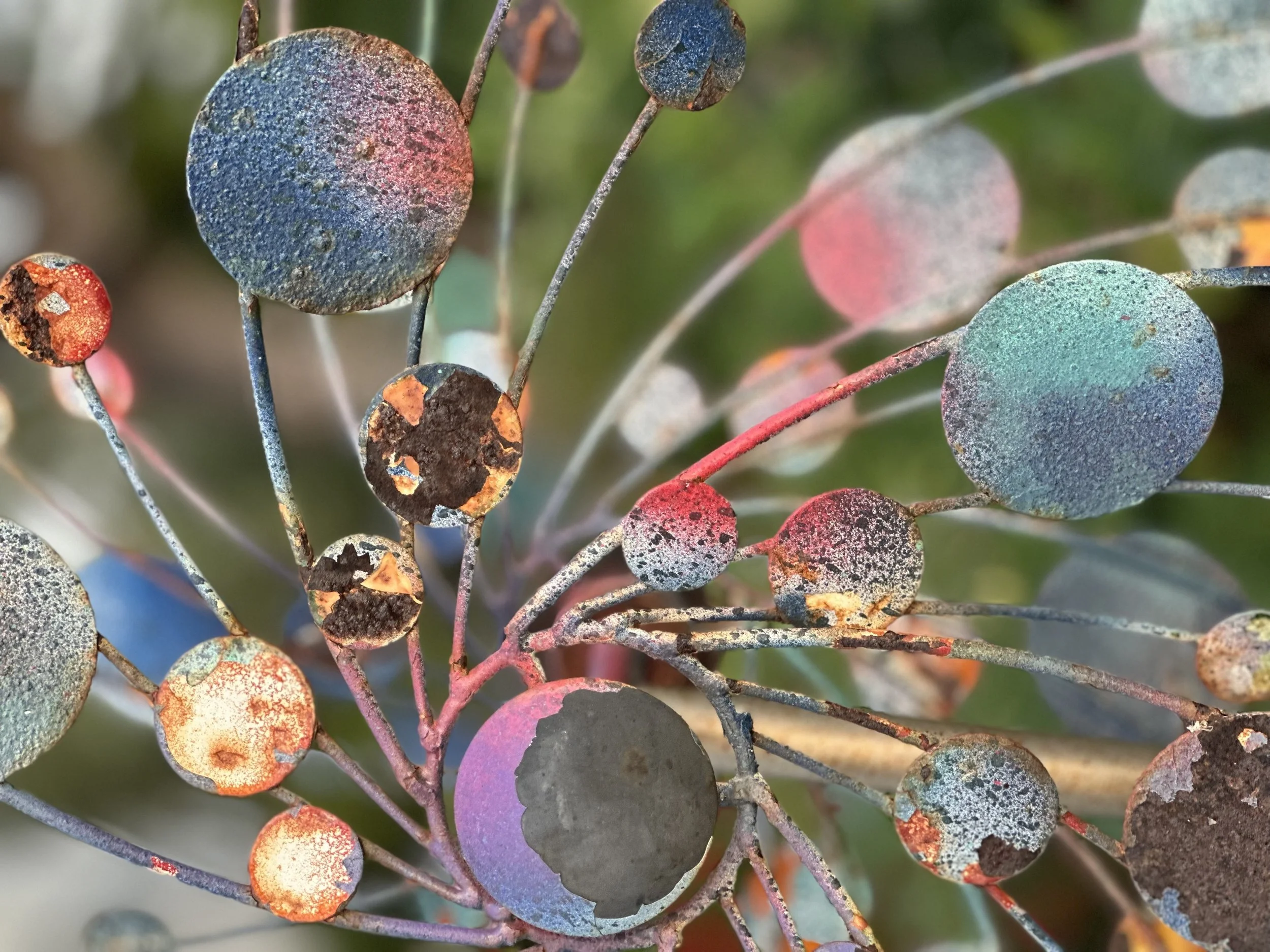
I looked up the definition for the word creative this morning.
I do this every few months because I hope it will have changed, kind of like when I repeatedly look in the refrigerator for a snack, even though the contents haven’t changed in the 30 minutes since I last opened the door.
Today was the same: the Oxford dictionary’s definition is
creative, adj. The use of skill and the imagination to produce something new or a work of art. It goes on to give additional definitions about creative financing and creative accounting, both of which sound vaguely illegal and more than a little bit negative.
Creative, as a noun is just as vague and yet narrow.
The Cambridge dictionary:
creative, n. Someone who is producing or using original and unusual ideas.
Then, there is the highly specific Merriam-Webster’s version as “one who is creative, especially : one involved in the creation of advertisements.”
These definitions are not wrong per se, but practically speaking, they are a way to describe a proverbial container with which to put certain types of creativity inside, and leave tons of types of creativity outside.
As someone who grew up drawing horses, I never thought I was creative because I never wanted to be an Artist. I believed this despite the fact that I spent hours, and eventually years drawing.
The words artist and creative were synonymous in my mind, in large part because they were synonymous in the culture I was raised in. And looking at these definitions reminds me that the culture hasn’t really changed all that much.
And this is so important because I deeply, DEEPLY believe that
EVERYONE is creative.
Every single person acts creatively.
Every day. And yes, I mean even the people who don’t think they're creative, who don’t think they have an “artistic bone in their body” or they “can’t even draw a straight line”.
And I don’t blame you, why would you think you're creative, if every dictionary, not to mention our culture, keeps telling you that unless you can paint pleasing pictures, or sing on key, or play the piano, or have a job in advertising.
AND then, on top of all that, you must also get recognized for your “creative ability”, or you’re not creative.
There's creativity in those things to be sure, but at the level one needs to be at to be recognized as “creative”, there’s also a lot of skill and discipline, not to mention years of practice.
One of the definitions does say creative “is relating to or involving the imagination or original ideas” (it goes on to say, especially in the creation of an artwork), but at least it starts out less specific.
Perhaps the best definition is from the Collins Dictionary, which says “If you use something in a creative way, you use it in a new way that produces interesting and unusual results.” FOR YOU.
Here’s the point, creativity doesn’t just happen at the macro level, at the “I am a Creative” level.
It happens at the micro level, every day. And in a lot of moments within the day once you start to look for them.
Creativity is action.
It’s taking a thought and rendering it in the real world.
It’s Creative because it’s new.
New to you, in that day, at that moment.
What the definitions don’t say, but what I’m here to say, as someone who is by every dictionary’s definition of “creative” is that
Being creative is about the choices you make for yourself…
from the new way you plate your breakfast, to that new picture you choose to put on your wall, to the new route you take to go to work…and of course, ANY form of art you create.
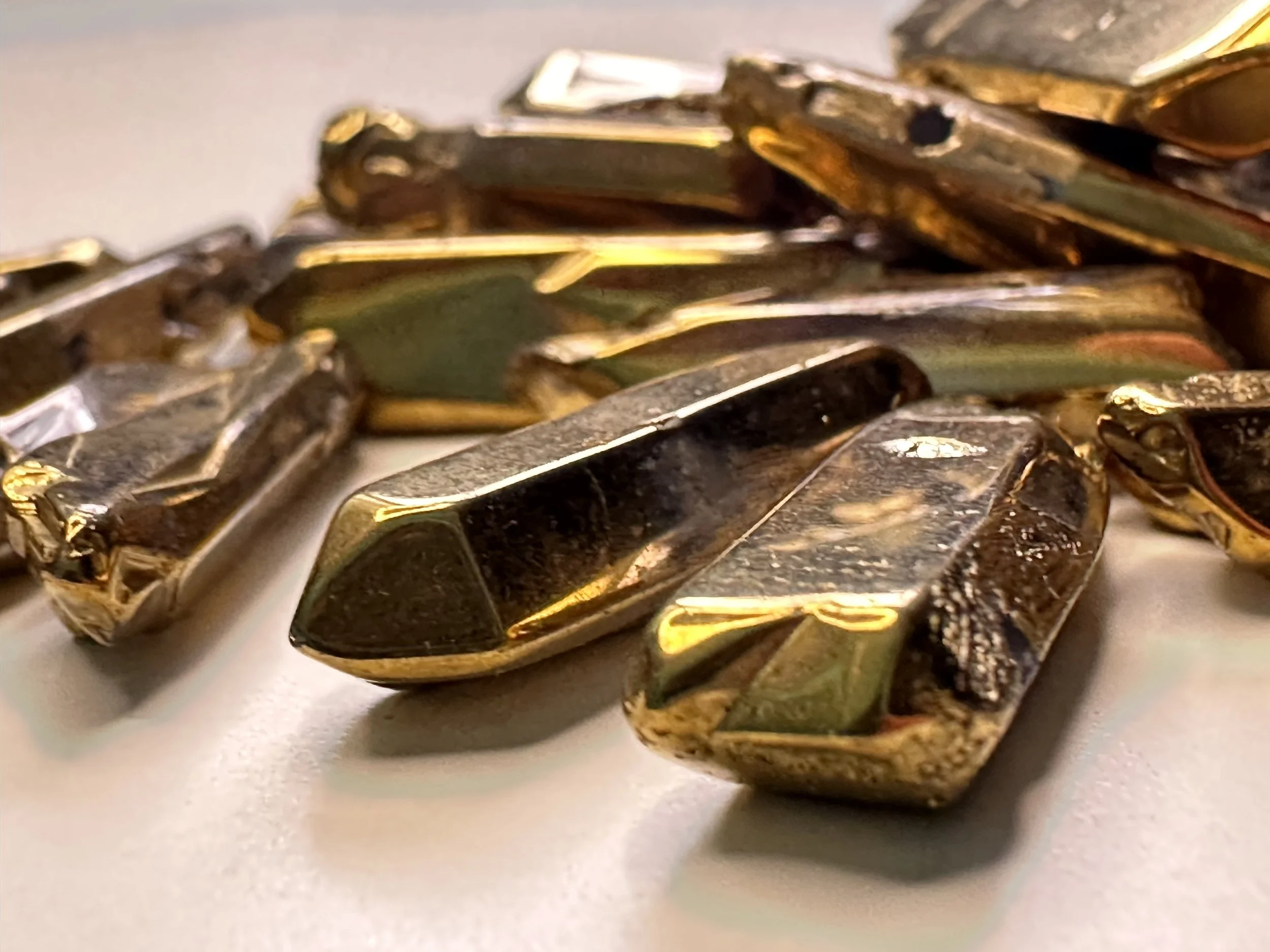
And here’s the gold embedded
in the fact that you are creative…
There is power in being creative.
Embracing your creative nature, that part of you that came into the world when all the other parts of you did, is the portal to a deep well of agency over how you experience your life.
Cultivating your creative nature will spread sparkles throughout your day, unearth your capacity for joy, and eventually, revamp how you see the world.
Does it sound too good to be true?
I’m living proof that it can happen.
I was a professional artist for years before I started calling myself an artist. And while I loved my job, a job where I got to paint beautiful pictures for people, I was a giant stress ball in every other area of my life.
The stress eventually outweighed whatever creativity I experienced in my job.
To deal with that stress, one of the things I learned to do was to notice all the different ways I was creative, from the flowers I chose to plant on my front porch, to the way I plated my breakfast, to various shades of beige I chose for my bedroom linens.
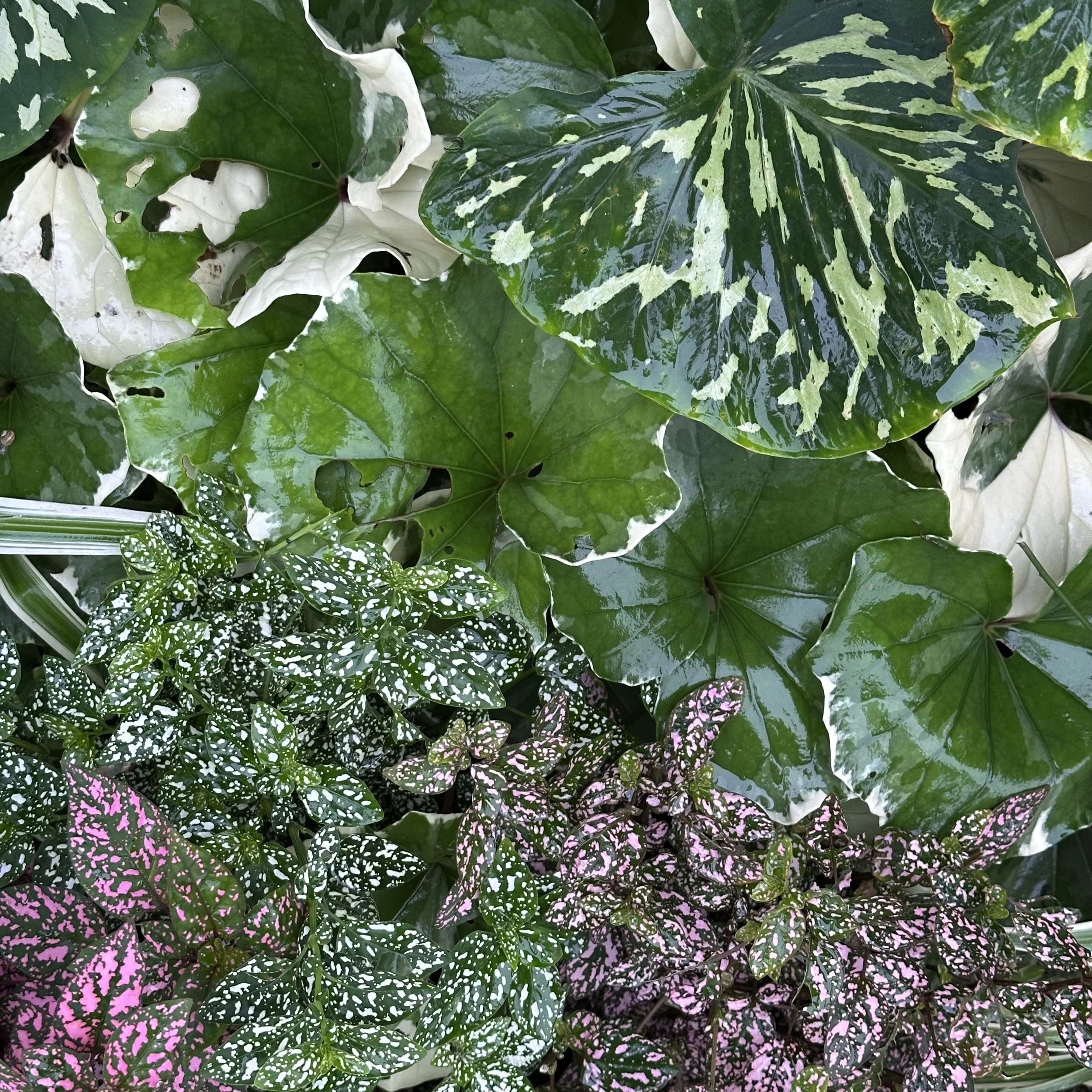

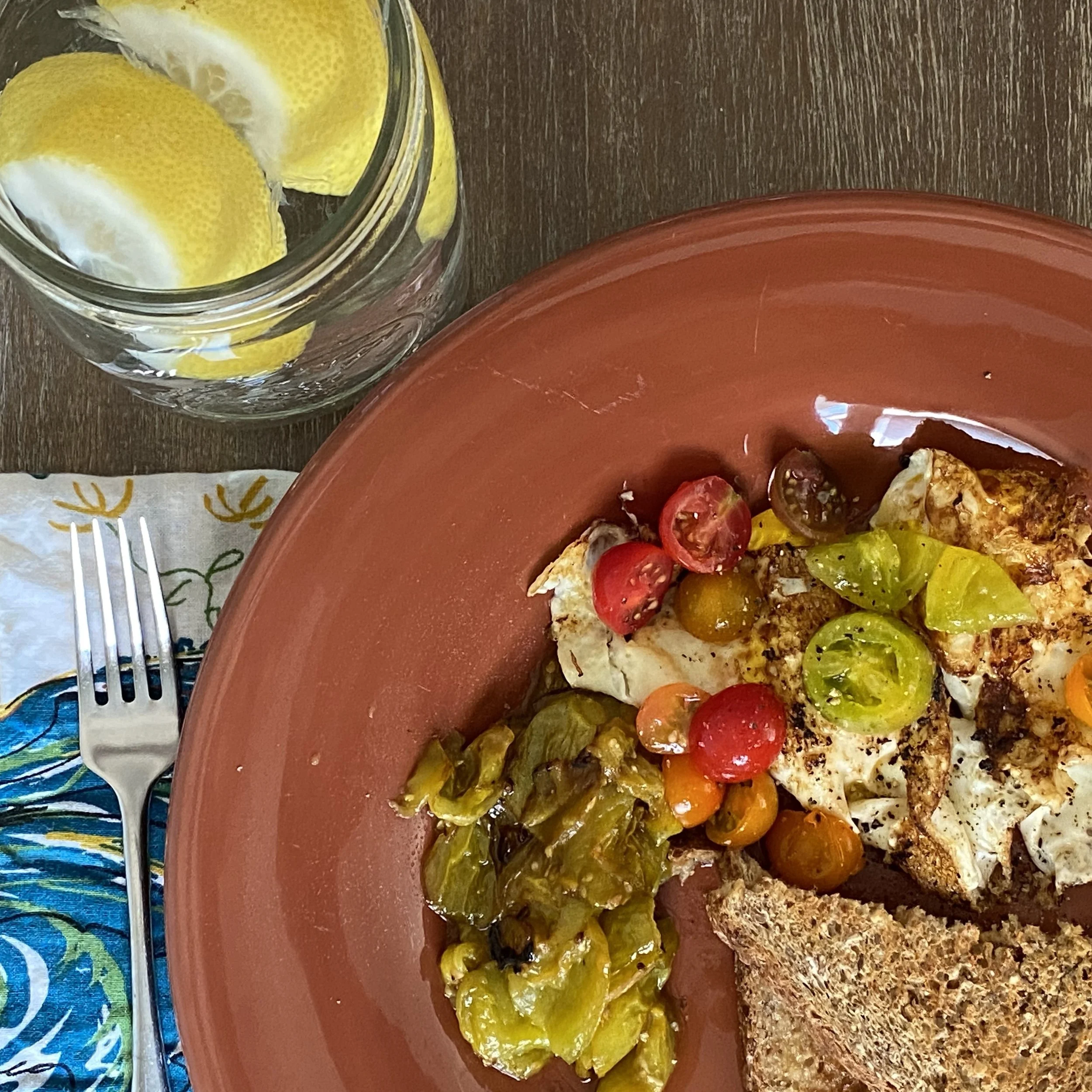

No one told me to make these choices,and they weren’t for anyone but me, for the newly acknowledged pleasure of being creative.
I began to feel into the joy and daily sense of contentment that followed.
This is what it means to be creative, not whether or not you can draw a straight line.
Do you want to feel more creative?
Try This:
Start noticing your choices.
The small daily choices you make throughout the day. Like getting dressed for example. Take a moment to acknowledge all the options you have to choose from. Take a moment to ask why you chose that particular shirt over all the others..was it your mood, to impress others, to be invisible, to feel happy?
It might seem small, but acknowledging, understanding and appreciating the power you have to make these choices is a great way to begin to exercise your creative muscle.